Complete Victorian Jewellery Guide
Part 3 of 3
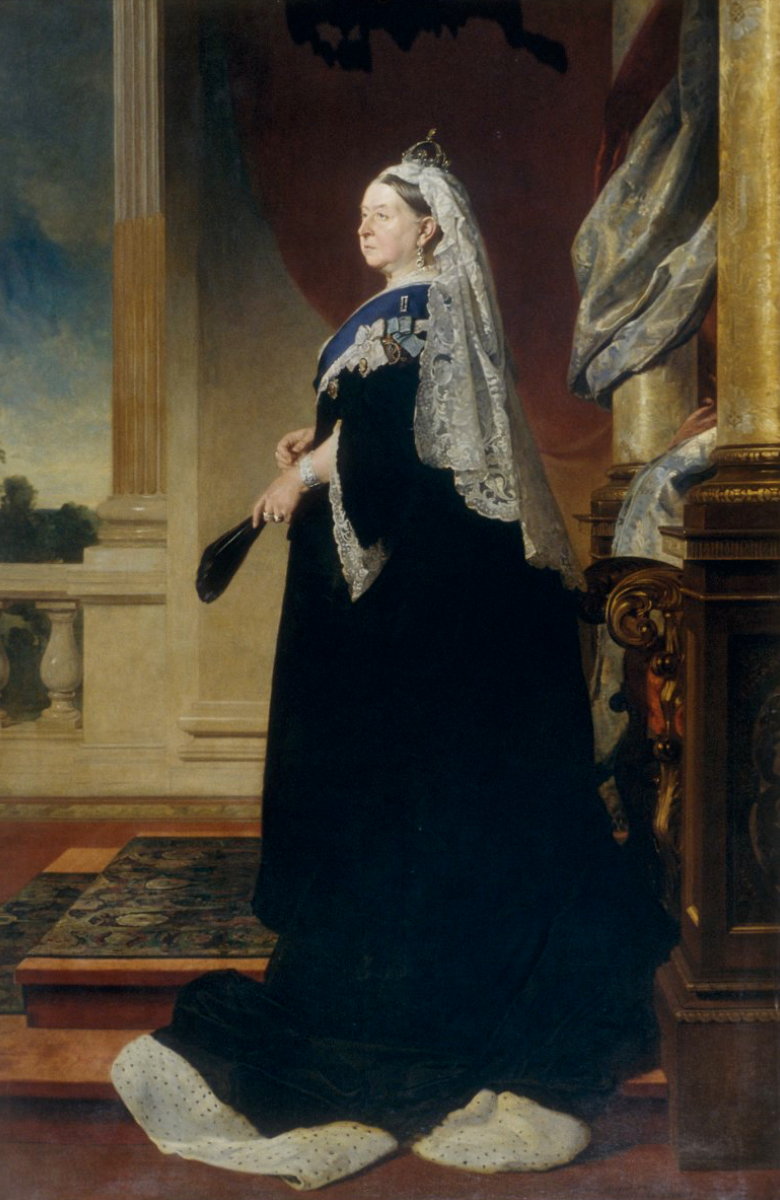
During the final decades of the nineteenth century, women gained access to a wider range of education, employment, travel and leisure activities. The bicycle became an especially powerful symbol of the so-called New Woman in the 1890s, offering greater personal mobility and encouraging the development of more practical clothing.
Fashion did not suddenly become entirely functional. Formal dress remained elaborate, and wealthy women continued to wear magnificent jewels at court, balls and important social occasions. Daywear and sporting clothes, however, gradually became less restrictive, while jewellery developed in several contrasting directions. Industrial manufacturers supplied an expanding market with affordable ornaments, artist-goldsmiths defended hand craftsmanship, and leading Parisian houses created some of the most technically refined luxury jewellery ever produced.
Late Victorian Jewellery and Industrial Production
The industrial production of jewellery continued to expand during the second half of the nineteenth century. Birmingham and Pforzheim became major European manufacturing centres, supported by networks of specialised workshops and increasingly efficient machinery. Components could be stamped, cast or pressed in quantity and then assembled into brooches, bracelets, chains and rings for a broad international market.
Electroplating also transformed the trade. A commercially successful process for depositing silver or gold onto base metal was patented in Birmingham in 1840 and developed rapidly during the following decades. It allowed fully formed objects in copper, brass or other inexpensive alloys to be coated with a thin layer of precious metal. Attractive jewellery could therefore be produced at a much lower price than comparable pieces made from solid gold or silver.
Machine-made and electroplated jewellery did not disappear; it remained an important part of the market. Nevertheless, critics increasingly argued that inexpensive mass production encouraged repetitive design, concealed poor construction and separated the finished object from the individual craftsperson who had made it.
The Reaction Against Machine-Made Jewellery
The reaction against industrial production was connected to a wider debate about design, labour and the social purpose of art. Thinkers such as John Ruskin and William Morris criticised the division of labour that reduced skilled workers to the repeated performance of a single task. They believed that well-designed objects should reflect both the materials from which they were made and the hand of the maker.
Jewellery production had become highly specialised. A design might pass through the hands of a modeller, goldsmith, chaser, engraver, enameller, stone setter and polisher before completion. This division could produce work of exceptional technical quality, but Arts and Crafts reformers feared that it also weakened the relationship between design and making.
Their ideal was the artist-craftsperson who understood the complete object and remained closely involved throughout its production. In practice, even the best Arts and Crafts workshops often relied on collaboration between skilled specialists. The important difference was the value placed on thoughtful design, honest materials, visible craftsmanship and humane working conditions.
Arts and Crafts Jewellery, c. 1880-1910
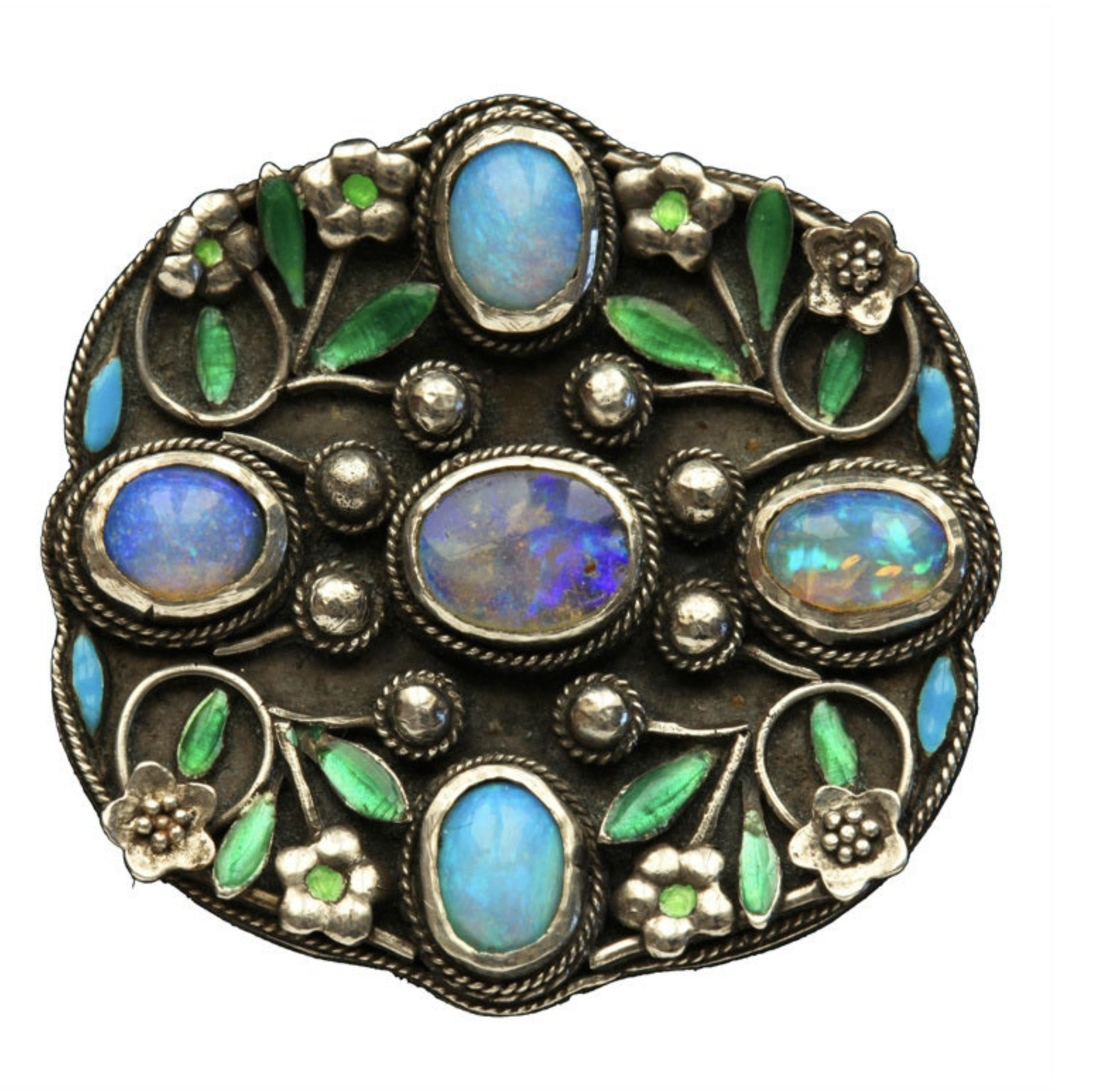
Arts and Crafts jewellery developed most strongly in Britain, although related reform movements emerged in Germany, Austria and elsewhere in Europe. Its designers rejected the idea that the value of a jewel should depend primarily on the cost of its gemstones.
Silver was used more frequently than gold, while copper and other modest materials also appeared. Opals, moonstones, turquoise, garnets, mother-of-pearl and irregular pearls were chosen for their colour and character rather than their market value. Enamel added rich areas of colour, and hammer marks or slight irregularities were often left visible to emphasise the handmade nature of the work.
The style was frequently inspired by medieval art, natural forms and vernacular craft traditions. Pendants, buckles, brooches and necklaces were often substantial in shape but deliberately simpler and less ostentatious than the conventional diamond jewellery of fashionable society.
Although Arts and Crafts reformers wanted beautiful, well-made objects to enrich everyday life, individually handcrafted jewellery remained relatively expensive. The audience was therefore smaller and generally more affluent than the movement's social ideals suggested.
Liberty & Co. provided an important commercial interpretation of these ideas. In 1899, the London department store introduced its Cymric range of jewellery and silverwork. Many pieces were manufactured by W. H. Haseler in Birmingham, while Archibald Knox became one of the range's most important designers. His work combined Celtic interlace, stylised plants and flowing lines that linked the Arts and Crafts movement with British Art Nouveau.
Today, the best Arts and Crafts jewels are valued for the originality of their design, their historical importance and the identity of their maker rather than for the intrinsic value of the materials alone.
Art Nouveau Jewellery, c. 1890-1910
Art Nouveau developed across Europe and the United States during the final years of the nineteenth century. The term had already appeared in artistic circles during the 1880s, but it was popularised internationally by the dealer Siegfried Bing. In December 1895, Bing opened his Paris gallery, the Maison de l'Art Nouveau, where he presented contemporary interiors and decorative arts.
Art Nouveau shared the Arts and Crafts movement's rejection of repetitive historicism and poor industrial design, but it developed a more overtly sensual and theatrical visual language. Its sources included close observation of the natural world, Japanese art, Symbolism, Rococo ornament and selected forms from medieval and Renaissance art.
Japanese prints and decorative objects were particularly influential. European designers admired their asymmetrical compositions, flattened areas of colour, unexpected viewpoints and close attention to plants, insects, birds and changing seasons. These ideas were adapted rather than copied directly and helped Western artists move away from rigid symmetry and conventional perspective.
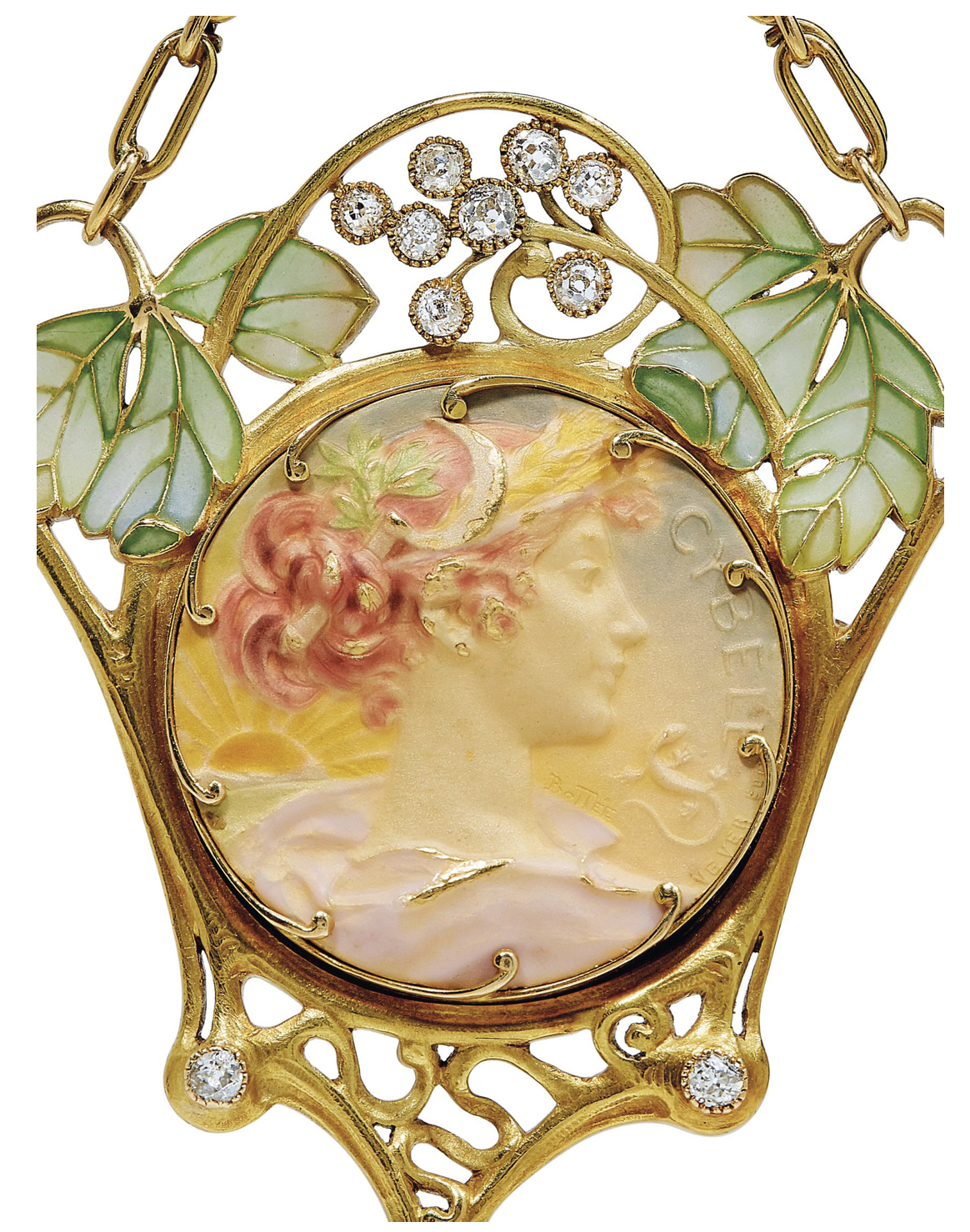
Art Nouveau jewellery is recognised by flowing contours, whiplash curves and organic shapes. Dragonflies, butterflies, snakes, peacocks, swans, bats, orchids, irises, lilies and aquatic plants were recurring motifs. The female face and body also became central subjects. Long hair could merge into leaves, wings or waves, allowing the human figure and the natural world to become part of a single composition.
The design itself became more important than the monetary value of the materials. Diamonds, rubies and sapphires were still used, but often as small accents within compositions of enamel, glass, horn, ivory, opal, moonstone or semi-precious stones. Colour, transparency and surface texture could matter more than carat weight.
Enamelling played a major role. Art Nouveau jewellers used techniques including champleve, basse-taille and plique-a-jour. In plique-a-jour enamel, the translucent colours are suspended within a network of metal cells without a solid backing, creating an effect similar to miniature stained glass.
Sculptural modelling and casting also allowed jewellers to create complex organic forms. Lost-wax casting was particularly suitable for intricate three-dimensional designs because the wax model could be shaped freely before being replaced by metal. Although the individual mould was destroyed during casting, an original model could still be adapted or reproduced, so the technique did not in itself make every jewel unique.
Belle Epoque and Edwardian Jewellery, c. 1895-1915
The radical appearance of Art Nouveau did not suit every client or every occasion. At the same time, another luxurious style developed for European and American high society. In France it is commonly associated with the Belle Epoque and the Garland style; in Britain and the United States it is often described as Edwardian jewellery. These terms overlap, but they are not exact equivalents. The Edwardian era strictly refers to the reign of Edward VII from 1901 to 1910, while the jewellery style is often extended to the years immediately before and after his reign.
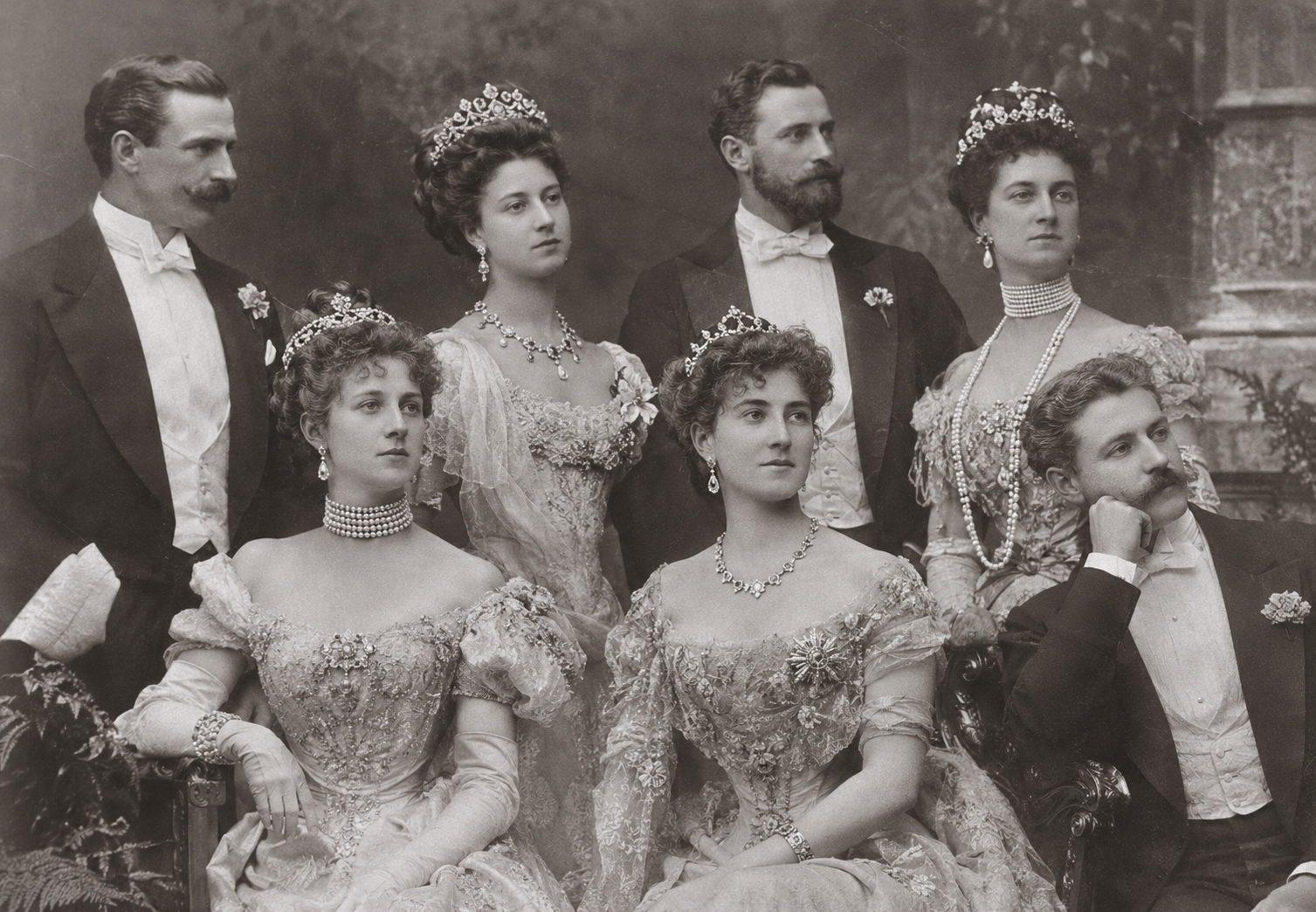
Designers looked to eighteenth-century French architecture, textiles and court ornament for inspiration. Garlands of flowers, ribbon bows, tassels, laurel wreaths, swags and lace-like openwork replaced the heavier gold forms of the mid-Victorian period. Cartier became one of the leading exponents of this Garland style, translating historical ornament into jewellery of exceptional lightness and precision.
The growing use of platinum was essential to this development. Platinum had been known in Europe for centuries, but its melting point of approximately 1,768 degrees Celsius made it extremely difficult to work. Improvements in jewellers' torches during the nineteenth century gradually made controlled platinum fabrication possible, and by around 1900 the metal had become central to important diamond jewellery.
Platinum is stronger and more resistant to tarnish than silver and can support gemstones in remarkably fine settings. Jewellers could therefore reduce the amount of visible metal and create delicate frameworks that appeared almost weightless. Millegrain edges, in which tiny beads of metal outline a setting, and slender knife-edge bars helped create the lace-like appearance characteristic of the period.
Several distinctive necklace forms became fashionable. The lavalliere usually consisted of a chain with a single pendant or drop. Its name was popularised through the French actress Eve Lavalliere, whose stage name itself referred to Louise de La Valliere, the mistress of Louis XIV.
A negligee necklace carried two pendants or gem-set drops suspended at unequal lengths. The drops did not have to be identical and were particularly effective for displaying two important but unmatched gemstones or pearls.
The long sautoir also returned in highly refined forms. It might be made from pearls, fine chain or spectacle-set diamonds and finished with a tassel, pearl or gem-set pendant. Some examples could be adapted or worn in several different ways.
Diamonds
The supply of diamonds changed dramatically after the first authenticated discovery in South Africa in 1867. Mining expanded during the 1870s, while the De Beers and Kimberley mines were both discovered in 1871. Large quantities of rough diamonds entered the European market and transformed both prices and jewellery production.
De Beers Consolidated Mines Limited was not founded in 1880, as is sometimes stated, but in 1888, when Cecil Rhodes and Barney Barnato combined their competing operations. The company took its name from Diederik Arnoldus and Johannes Nicolaas de Beer, on whose farm important diamond deposits had been found, although the brothers themselves were not involved in the later company.
The abundance of South African diamonds was one of the factors that made the diamond-intensive Garland and Edwardian styles possible. Platinum further enhanced their effect by allowing stones to be set in very fine openwork structures with less visible metal and greater exposure to light.
Amsterdam and Antwerp remained important centres for diamond trading and cutting. Jewish merchants, cutters and factory workers played a central role in the development of both industries, particularly in Amsterdam, where the arrival of South African rough created a major period of growth from the 1870s onwards.
Technical experimentation produced new and refined cutting styles. In 1902, the Amsterdam cutter Joseph Asscher patented the square step cut now known as the Asscher cut. Cartier reintroduced the elongated step-cut form known as the baguette in 1912, although the cut only became widely fashionable during the Art Deco period. Shortly after the period covered here, Marcel Tolkowsky's 1919 study, Diamond Design, established influential proportions for the modern round brilliant, building on earlier developments in brilliant cutting.
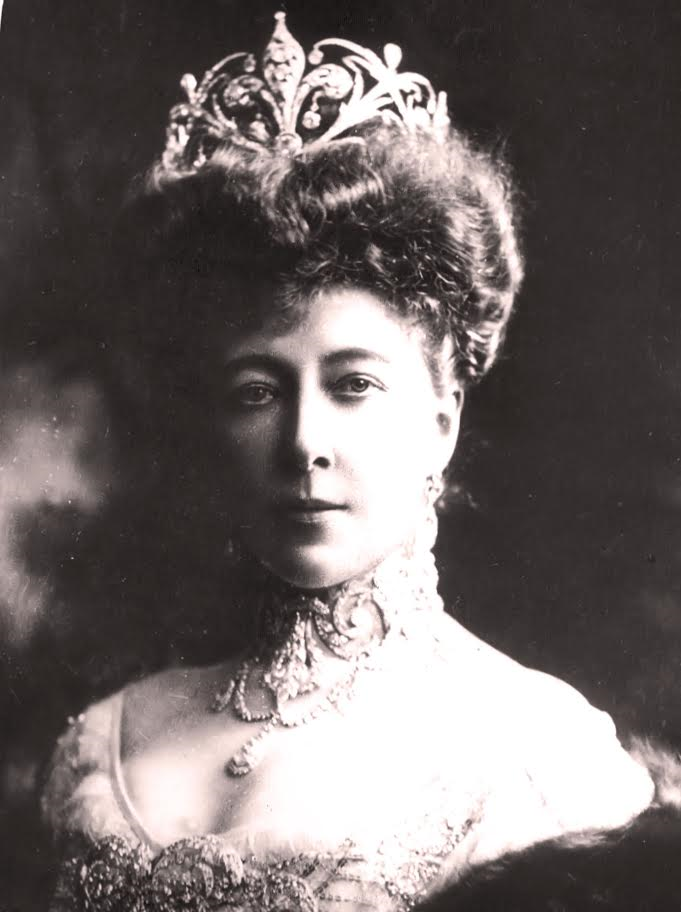
The Collier de Chien
One of the most recognisable necklaces of the late nineteenth and early twentieth centuries was the collier de chien, or dog-collar necklace. It fitted closely around the neck and could take several forms. Some examples consisted of numerous strands of pearls divided by narrow diamond-set or gold spacers. Others centred on a wide, gem-set plaque attached to velvet ribbon, pearls or articulated platinum sections.
Alexandra, Princess of Wales and later Queen Alexandra, greatly popularised the style. She is widely said to have worn high collars and close-fitting necklaces partly to conceal a small scar on her neck. Whether she introduced the fashion is uncertain, but her public image undoubtedly helped make the collier de chien fashionable throughout European high society.
The same design could occasionally be echoed in a broad matching bracelet, creating a balanced pair of close-fitting ornaments.
Tie Pins
During the nineteenth century, fashionable men's jewellery became increasingly restrained. Elaborately jewelled coats, buckles and swords had largely disappeared from ordinary male dress, while watches and chains were often worn discreetly beneath the waistcoat.
The tie pin or stickpin remained an important exception. It secured a cravat, stock or tie and offered a small area in which a man could express his profession, interests or sense of humour. Designs included horseshoes, riding crops, foxes, hounds, game birds, anchors, weapons, bicycles, sporting equipment, enamelled masks and individual gemstones.
Some pins were understated, while others were set with diamonds, coloured stones, carved hardstones or miniature enamels. Their great variety makes them an especially revealing record of late nineteenth-century leisure, sport and male identity.
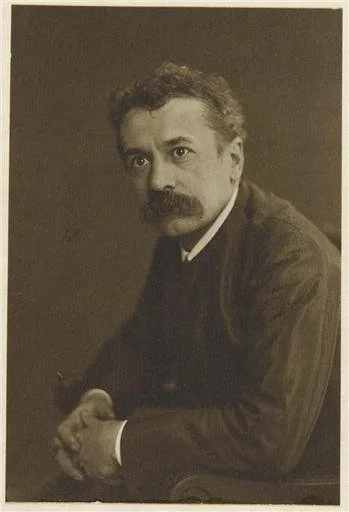
René Lalique
The designer who most completely shaped the language of French Art Nouveau jewellery was René Lalique (1860-1945).
In 1876, Lalique began an apprenticeship with the Parisian jeweller Louis Aucoc while attending classes at the École des Arts Décoratifs. He then spent approximately two years in England before returning to Paris and working as a freelance designer for established jewellery houses, including Boucheron, Cartier, Jacta and others.
In 1885, he took over the workshop of Jules Destape in Paris. During the following years he developed an increasingly independent style, drawing on antiquity, Japanese art, Symbolism and the close observation of plants, insects and the female form. By the 1890s, his work had become instantly recognisable.
Lalique rejected the belief that a jewel's importance should be determined by the cost of its stones. He combined diamonds with horn, glass, ivory, enamel, opal, moonstone and other materials chosen for their colour, translucency or texture. The intellectual and artistic elite responded enthusiastically, and important clients included the actress Sarah Bernhardt and the collector Calouste Gulbenkian.
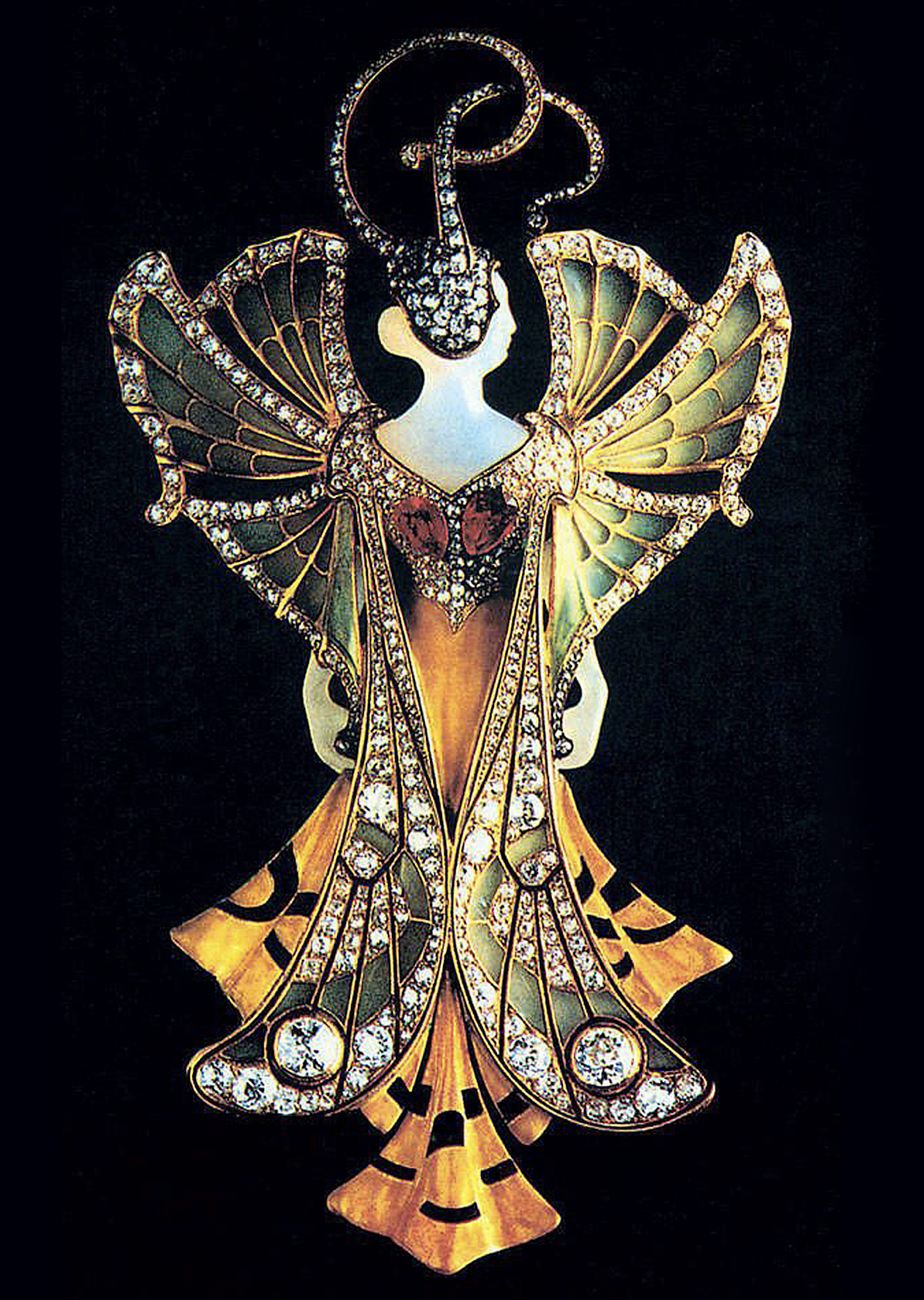
His career as a jeweller reached its height at the Exposition Universelle in Paris in 1900. His display attracted international attention, and he was promoted to Officer of the Legion of Honour. The exhibition established him as one of the most influential jewellers of his generation.
Lalique mastered and helped revive difficult techniques such as plique-a-jour enamelling. Without a metal backing, the translucent enamel allowed light to pass through dragonfly wings, leaves and other openwork forms. He also explored chased gold, carved horn, moulded glass and sculptural modelling, combining traditional craftsmanship with radically modern design.
His jewels are often most striking when light passes through their translucent materials, revealing changes of colour and depth that cannot be fully appreciated in an illustration.
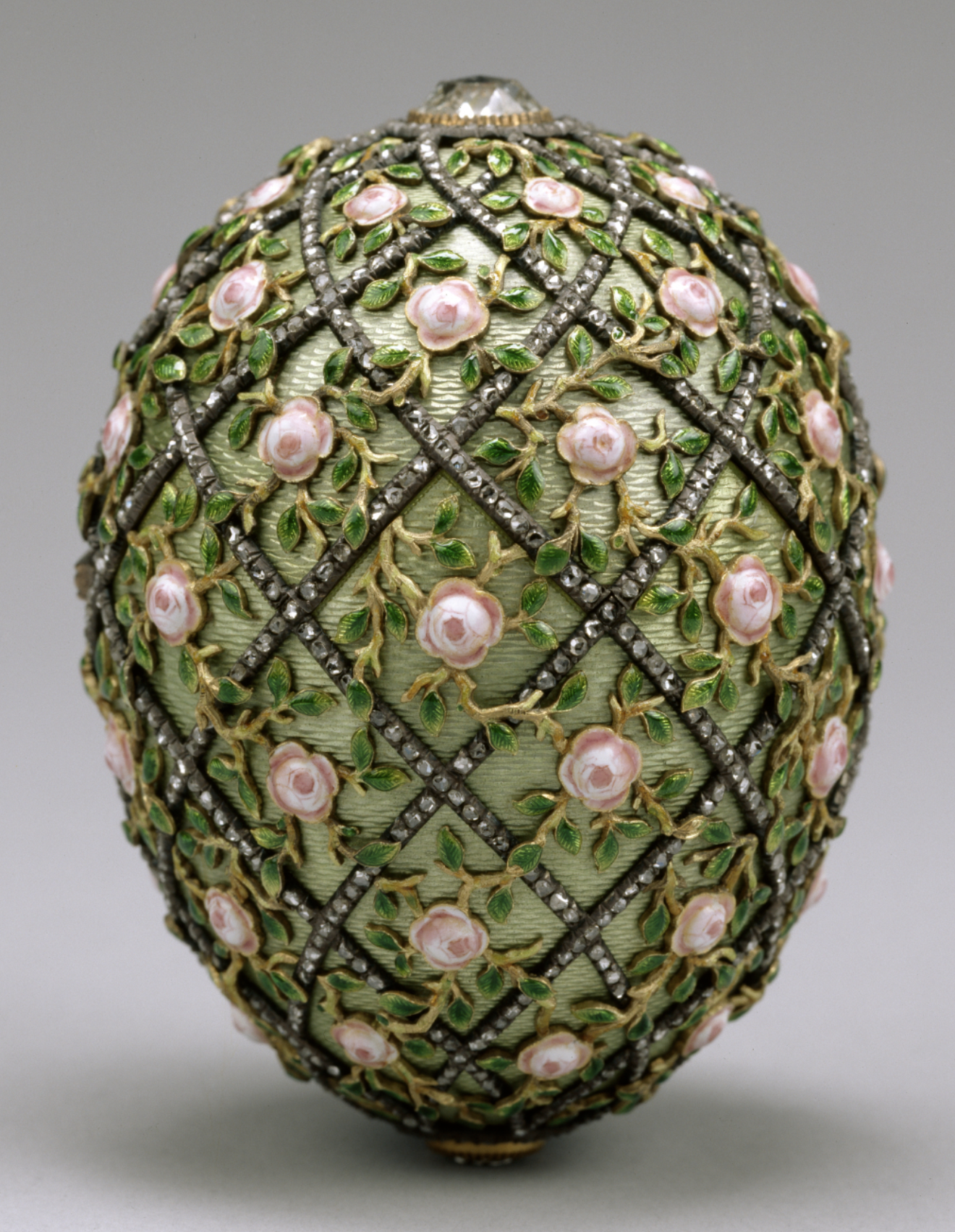
Peter Carl Fabergé
Peter Carl Fabergé was born in St Petersburg in 1846 into a family of French Huguenot descent. His father, Gustav Fabergé, opened a jewellery workshop and shop in the city in 1842.
Carl trained in Germany, France and Britain and studied important European collections during an extended educational journey. In 1872, at the age of twenty-six, he took charge of the family firm. His study and restoration of historic objects in the Imperial Hermitage helped shape an approach that combined older techniques with inventive modern design.
Fabergé gained national recognition at the All-Russian Exhibition in Moscow in 1882, where the firm's work received a gold medal and attracted the attention of Emperor Alexander III. In 1885, the emperor commissioned an Easter present for his wife, Empress Maria Feodorovna.
The first Imperial Easter Egg appeared deceptively simple: a white-enamelled shell opened to reveal a golden yolk, which contained a small gold hen. Further surprises, including a miniature crown and ruby pendant, were originally concealed within the hen but have since been lost. The empress was delighted, and the commission began an imperial tradition.
Between 1885 and 1916, the House of Fabergé delivered fifty Imperial Easter Eggs to the Romanov family. Alexander III presented one each year to Maria Feodorovna. From 1895, Nicholas II generally commissioned two annually, one for his mother and one for his wife, Alexandra Feodorovna. Political unrest and the Russo-Japanese War interrupted the tradition in 1904 and 1905. Forty-three of the fifty completed Imperial Eggs are known to survive.
Fabergé's success extended far beyond the eggs. The firm became a supplier to the Russian Imperial Court and produced diplomatic and personal gifts for members of royal and aristocratic families throughout Europe. At the Paris Exposition Universelle of 1900, Carl Fabergé received major international recognition and was admitted to the Legion of Honour.
Carl Fabergé directed the artistic character of the firm, but the objects were produced through a large workshop system. At its height, the House of Fabergé employed around five hundred artists and craftspeople. Independent workmasters, including Michael Perchin, Henrik Wigström and August Holmström, supervised specialist teams of goldsmiths, enamellers, stone setters and stone carvers.
Jewellery formed only part of the firm's production. Fabergé was equally celebrated for cigarette cases, photograph frames, clocks, desk accessories, table silver, miniature animals and human figures carved from hardstone. Colour, ingenious mechanisms and technically demanding guilloché enamel were often more important than the intrinsic cost of the materials.
These objects now command strong prices because of their design, craftsmanship, rarity and documented connection with the firm. Their market value can far exceed the value of the gold or gemstones from which they are made.
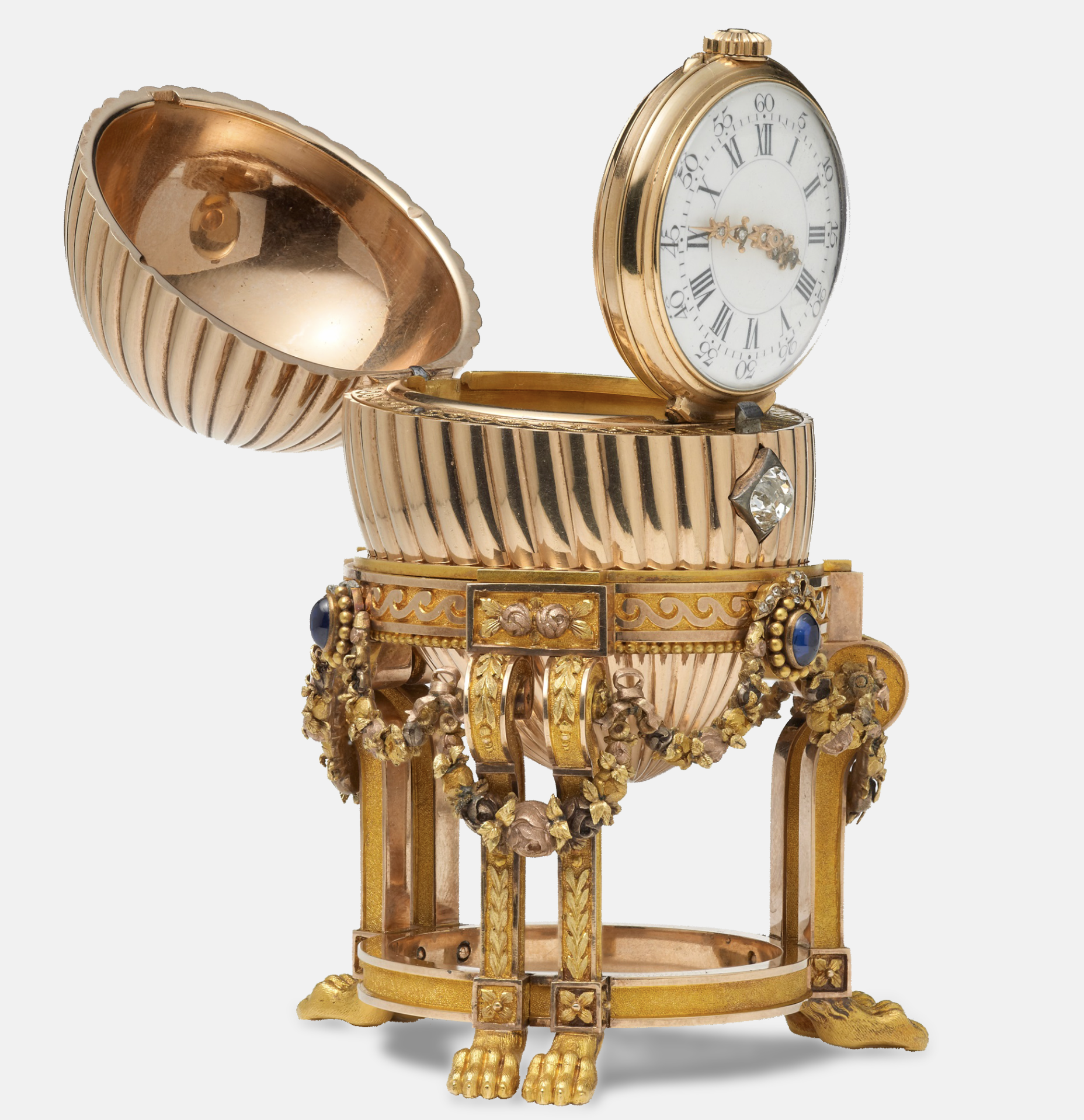
One of the most remarkable rediscoveries involved the Third Imperial Egg of 1887. An American scrap-metal dealer bought the small gold object at a flea market for approximately $14,000, intending to resell it for its gold value. After failing to find a buyer, he eventually discovered an online reference that led him to contact the London dealer Wartski.
The object was authenticated as the long-lost Imperial Easter Egg made for Alexander III to give to Maria Feodorovna. It still contained its original surprise, a Vacheron Constantin watch. The egg was sold privately to an unidentified collector for an undisclosed sum. Widely repeated figures of around $33 million were estimates reported by the press, not the result of a public auction.
